What Affects Your Car Insurance Premium in Cyprus?
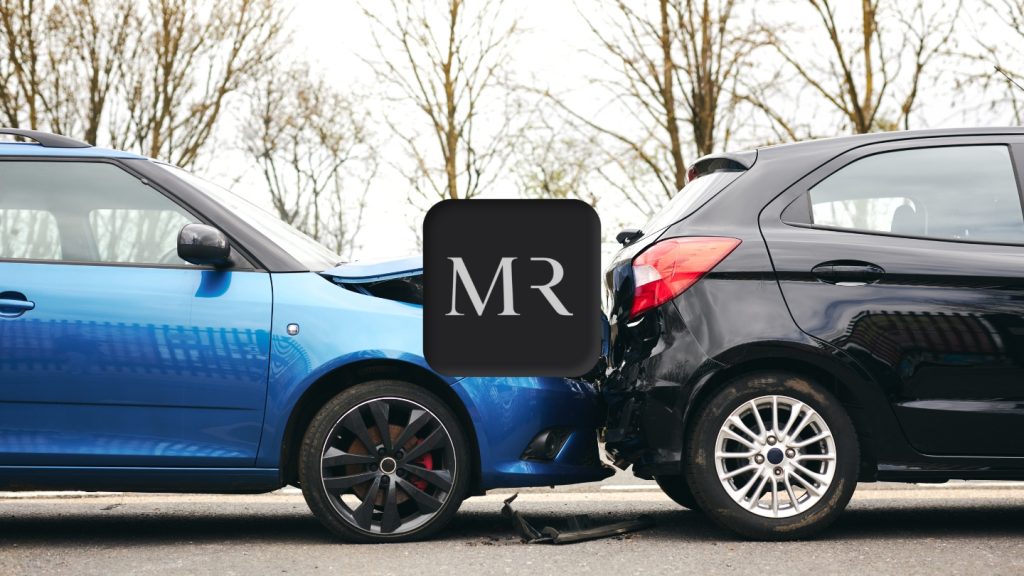
Car insurance premiums vary from driver to driver — even when the cars and coverage types appear the same. That’s because insurance companies calculate your premium based on several risk factors unique to you, your vehicle, and your driving history.
If you’re wondering why your motor insurance costs what it does — or how to reduce it — this guide will break down the key factors that affect your car insurance premium in Cyprus.
1. Driver’s Age and Experience
Age is one of the biggest factors insurers consider.
- Young drivers (under 25) are statistically more likely to be involved in accidents. As a result, their premiums are higher.
- Older, more experienced drivers generally pay lower rates, especially if they have a clean record.
Even a few years of driving experience can make a significant difference in what you pay.
2. Driving History and Claims Record
Your past behaviour on the road is a strong predictor of future risk.
- No-claims bonus (NCB): The more claim-free years you have, the bigger the discount insurers will offer.
- Recent claims or at-fault accidents will push your premium up.
- Traffic violations such as speeding or driving under the influence can also raise your rates — or limit your insurance options altogether.
Maintaining a clean record is one of the best ways to keep premiums low.
3. Type of Vehicle
What you drive has a big impact on what you pay.
- High-performance or luxury cars are more expensive to repair or replace, making them costlier to insure.
- Older, lower-value cars tend to be cheaper to insure — but may also lack modern safety features, which could increase risk.
- Modifications (engine tuning, body kits, etc.) can increase your premium, especially if they increase speed or repair costs.
Insurers look at your car’s make, model, engine size, age, and even its colour in some cases.
4. Usage and Mileage
The more you drive, the more risk you represent.
- Daily commuting increases exposure to potential accidents.
- Low-mileage drivers (e.g. under 10,000 km per year) may qualify for lower rates.
- If your car is used for commercial purposes, it typically requires specialised coverage, which may be more expensive.
Always provide accurate estimates of how and where you use your vehicle.
5. Where You Live and Park
Your location affects risk in several ways:
- Urban areas like Nicosia or Limassol may have higher accident or theft rates than rural villages.
- If your car is parked in a secure garage, you may receive a discount.
- Street parking or leaving your car in public areas overnight can raise your premium.
Insurers use postcode-level data to assess local risk.
6. Level of Coverage
Your choice of insurance plan makes a major difference.
- Third-party insurance is the most affordable option, covering only damage or injury to others.
- Comprehensive insurance covers your own car, theft, fire, and more — but comes with a higher premium.
- Add-ons like roadside assistance, glass cover, or personal accident cover will increase your costs slightly, depending on the insurer.
Choosing the right balance between coverage and cost is key.
7. Excess (Deductible) Amount
The excess is the amount you agree to pay out of pocket if you make a claim.
- A higher excess usually means a lower premium, as you’re sharing more of the risk.
- A lower excess gives you better financial protection, but typically results in a higher premium.
It’s important to choose an excess level you can afford in the event of a claim.
8. Insurance Provider’s Risk Assessment
Each insurance company has its own way of calculating risk, based on:
- Internal claim data
- Reinsurance rates
- Company-specific underwriting policies
That’s why two insurers may give you very different quotes for the same driver and car. Working with a broker like MRIA can help you compare options and find the best match.
9. Optional Benefits and Add-Ons
Adding extras to your policy provides more protection but can slightly increase your premium:
- Roadside Assistance: Helps in case of breakdowns.
- Windscreen Cover: Protects against damage to your windows.
- Replacement Vehicle: Offers a temporary car while yours is being repaired.
- Legal Cover: Covers legal expenses from disputes or claims.
While these can add to your cost, they offer valuable peace of mind — especially for frequent drivers.
10. Annual vs. Monthly Payment
How you pay your premium can affect the total cost:
- Annual payment is usually cheaper overall.
- Monthly instalments may come with interest or administrative fees.
If possible, paying upfront in full can save you money.
Tips to Lower Your Car Insurance Premium in Cyprus
- Maintain a clean driving record
- Build up a no-claims bonus
- Drive a car in a lower risk category
- Park in a secure location
- Choose a higher excess (if you can afford it)
- Bundle multiple policies (e.g. home and motor insurance) with the same provider
- Shop around with a broker like MRIA to find competitive rates
Conclusion: Know What Influences Your Premium
Your car insurance premium in Cyprus isn’t just a random number — it’s a carefully calculated reflection of how much risk you present as a driver, and what it would cost to cover that risk.
From your age and driving history to your vehicle type and level of coverage, each factor plays a role. By understanding these elements, you’ll be better equipped to make smart insurance choices, save money, and stay protected on the road.
✅ Looking for Better Car Insurance in Cyprus?
Let MRIA Insurance Brokers help you compare quotes and tailor a policy that suits your needs and budget.
👉 Request a Free Quote and drive with confidence today.